The integrated course teaching dietitians to confidently weave hormone therapy and psychopharmacology into eating disorder care during perimenopause and menopause.
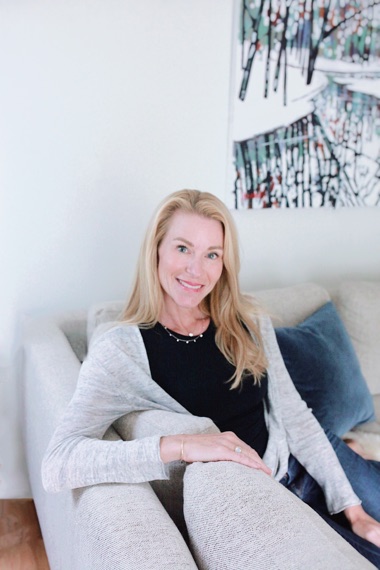
Taught by Robyn Kievit, NP, RD, CEDS, MSCP, the first dietitian to become a nurse practitioner.
Choose Your Plan
Everything you need to start treating midlife clients with confidence. Self-paced, lifetime access.
Essentials, plus 3.5 CPEs from CDR and a private 30-minute consult with Robyn for case review.
If you've watched this happen…
You sense your client's case has moved beyond what nutrition counseling alone can hold. You're right. Here's what you've likely been navigating without the training to back it.
A client's hot flashes and night sweats are quietly derailing months of eating disorder recovery, and you can't address what's outside your scope.
Her mental health symptoms aren't fully responding to psychopharmacology alone, and you suspect hormones are the missing variable.
Conflicting nutrition and movement recommendations are complicating her recovery, but no one's training you on perimenopausal physiology.
Body image disturbance is intensifying as her body changes, and "anti-diet" frameworks alone aren't reaching her.
You're not behind. You just haven't had the right training, until now.
The New Standard of Care
Forward-thinking dietitians are no longer treating menopause, mood, and eating disorders as separate domains. This is the framework leading the field.
Evidence-based, FDA-approved hormone therapy paired with psychopharmacology, taught by a dual-credentialed clinician.
Understand exactly how hormonal changes drive mood, eating behavior, and body image during midlife transitions.
Build the language and the framework to work fluently with therapists, prescribers, and treatment teams.
Inside the Course
Audio, slides, and full reference library included with every lesson. Earn 3.5 CPEs from the Commission on Dietetic Registration.
What perimenopause, menopause, and post-menopause actually do to the body, and why "nutrition only" frameworks miss the picture.
The essentials every dietitian should understand: estrogen, progesterone, testosterone, delivery methods, and clinical decision points.
SSRIs, SNRIs, mood stabilizers, anxiolytics, when they work, when they don't, and how nutrition intersects.
How hot flashes, night sweats, and sleep disruption directly trigger and reinforce eating disorder behavior.
Working compassionately with body changes that intensify body image disturbance, without defaulting to diet culture.
The language, hand-offs, and documentation that make you the dietitian therapists and prescribers want on every case.
Walk through real client cases that integrate everything you've learned. Leave with the confidence to take on your next perimenopausal client tomorrow.
Meet Your Instructor
25+ years pioneering integrated care for eating disorders during hormonal transitions.
Dual-credentialed as a CEDS (eating disorders) and MSCP (menopause). Quoted in Boston Magazine, National Geographic, Apple News+, and The Boston Globe.
What Practitioners Say About Robyn
Peer recognition from therapists, MDs, NPs, and fellow RDs, the same professionals you'll work with after taking this course.
I have shared numerous cases with Robyn. I refer to her often and am always grateful to have the opportunity to work with her. She is extremely collaborative, smart and cares deeply for all the clients she services.
Robyn is my go-to referral for my patients with eating disorders. Her holistic approach through blending psychopharmacology and nutrition is critical. I trust Robyn with my hardest cases.
Robyn is putting the pieces together in a unique and much needed way. She is an exceptional clinician in the way that she uses evidence-based psychopharmacology to provide compassionate care to her patients with disordered eating and body image.
Robyn is a seasoned dietitian, nurse practitioner and business owner who is well known throughout the area. Overflowing with pragmatic insights, she has an absolute wealth of knowledge in clinical and business practices.
What Course Graduates Say
Verbatim from RDs and clinicians who completed Beyond Nutrition. The course has shifted how they speak with midlife clients and how they integrate hormone therapy into eating disorder care.
This course was concise, current, and filled with practical information I can bring directly to my patients. Robyn’s depth of knowledge is evident throughout. You can genuinely feel the warmth and compassion she brings to her practice woven into the course. For anyone wanting a thorough grounding resource in menopause, it’s here.
This is honestly a topic that was a knowledge deficit for me, and is so crucial to my client population! This course improved my practice by enabling me to speak with clients in a more informed, compassionate way about the experience of menopause (especially isolating ED recovery or poor body image). This content will help reduce shame for clients who might misunderstand menopause-related symptoms as a failure in their ED recovery. The information Robyn shared about the intersection of mood management and menopause was particularly eye opening.
This was a fantastic offering in the perimenopause/menopause space that has brought me more clarity and confidence when working with my midlife clients. Robyn takes a trauma and eating disordered-informed approach in this training and it is a breath of fresh air! Most of the menopause trainings are centered around weight loss and shrinking the body, but here Robyn talks about treating the whole person and how to better help those with an active, or history of, eating disorders. I highly recommend this training to any health care provider looking to further their knowledge.
I walked into this course with zero knowledge on perimenopause and menopause treatment options, yet I see many women who are in this stage of life. Knowing what my clients are reading about, hearing from other providers, and what side effects may be present from the hormonal changes themselves vs medications, and potential interactions or side effects from use of supplements, will be incredibly useful while working with these clients. The duration, pacing, overview of information, and organization were all excellent. The references and resources are so helpful.
It was extremely helpful to understand in detail the hormonal changes in perimenopause/menopause, criteria for perimenopause and menopause stages, symptoms, and management of symptoms with medication as first line + nutrition/exercise as supplemental supportive aspect. I found the slides outlining specifically how individuals with EDs may be impacted informative and helpful in my future practice as well.
One Last Look
Everything you need to start treating midlife clients with confidence. Self-paced, lifetime access.
Essentials, plus 3.5 CPEs from CDR and a private 30-minute consult with Robyn for case review.
Secure checkout · Instant access · Receipt by email
Try it free
The 20-minute framework you'll start using on every midlife case.
No spam. Unsubscribe anytime.
Frequently Asked
For dietitians, NPs, and clinicians whose midlife clients have symptoms nutrition alone can't fix. Especially when eating disorders, disordered eating, or body image concerns tangle with hormonal change.
The problem this solves: the clinical blind spot most graduate programs skip. You learned nutrition; you didn't learn how HRT, mood medications, and hormonal physiology rewrite the rules for a 47-year-old client whose recovery is unraveling alongside her hot flashes.
What you walk away with: the integrated playbook for midlife cases, the language to collaborate fluently with prescribers and therapists, and the clinical confidence to be the dietitian therapists keep referring complex midlife clients to.